tattoo location guide
Tattoo Location Guide: A Comprehensive Overview (Updated 05/04/2026)
Tattoo placement profoundly impacts design aesthetics, meaning, visibility, and even session comfort; it’s a crucial decision reflecting personality, symbolism, and lasting impressions.
Tattoo placement extends far beyond simply finding space on the skin; it’s a deeply considered artistic choice that fundamentally alters a design’s impact. The location you select isn’t merely about aesthetics, but a powerful statement about your personality, beliefs, and how you wish to present yourself to the world. A well-placed tattoo harmonizes with the body’s natural contours, enhancing its visual flow and ensuring a lifetime of satisfaction.
Conversely, poor placement can diminish even the most intricate designs, rendering them awkward or disproportionate. Understanding the nuances of tattoo placement involves considering factors like visibility, potential professional implications, pain tolerance, and the symbolic meanings associated with different body areas. This guide will delve into these aspects, providing a comprehensive overview to help you make an informed decision, ensuring your tattoo is a beautiful and meaningful addition to your personal story.

The Significance of Tattoo Location
The choice of tattoo location carries substantial weight, extending beyond mere aesthetics to encompass cultural, traditional, and deeply personal symbolism. Throughout history, specific body areas have been imbued with unique meanings, influencing how a tattoo is perceived and interpreted. For instance, visible placements like the hands or neck often signify boldness and a willingness to challenge societal norms, while more concealed areas may represent private beliefs or intimate memories.
Furthermore, tattoo placement impacts the narrative a design conveys. A symbol on the heart might represent love and devotion, whereas the same image on the ankle could symbolize freedom and journey. Considering these layers of meaning allows you to curate a tattoo that resonates authentically with your identity and intentions, transforming it from a simple design into a powerful form of self-expression.
Pain Levels by Tattoo Location
Tattoo pain is subjective, varying greatly based on individual pain tolerance, tattoo size, and technique; however, certain areas are generally considered more sensitive than others. Locations with thin skin and close proximity to bone – like the ribs, spine, and feet – typically elicit higher levels of discomfort. Conversely, areas with more fat and muscle, such as the outer thigh or upper arm, tend to be less painful.
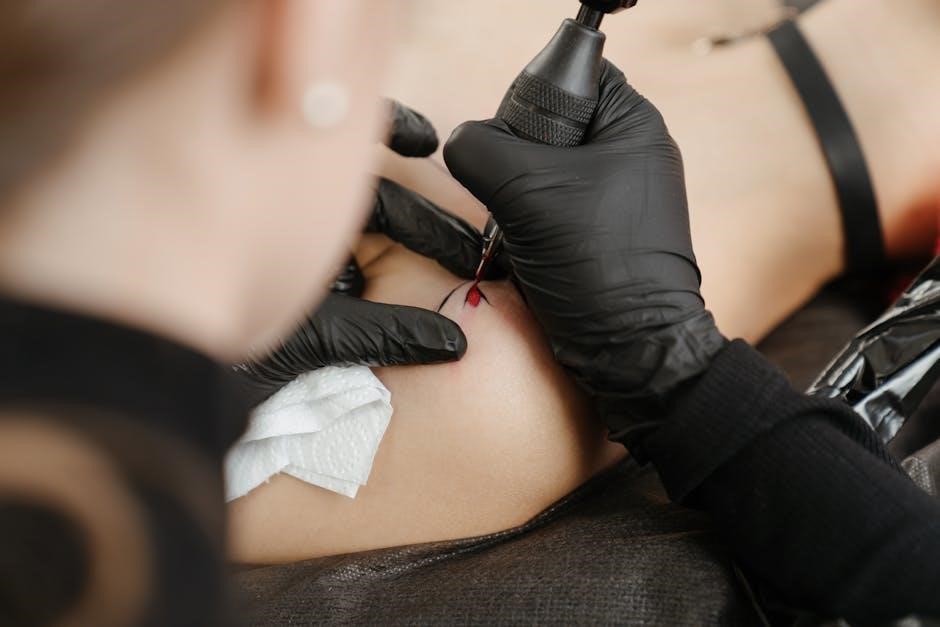
Understanding these variations is crucial for preparing for your tattoo appointment. While pain is temporary, knowing what to expect can help manage anxiety and enhance the overall experience. Remember to communicate openly with your artist about your comfort level, and don’t hesitate to take breaks if needed. Proper hydration and rest also contribute to a more manageable session.
Upper Body Tattoo Locations
The upper body offers diverse tattoo canvases, from broad expanses like the back to more focused areas like the shoulders and arms, enabling varied designs.
Shoulder Tattoos: Meaning and Considerations
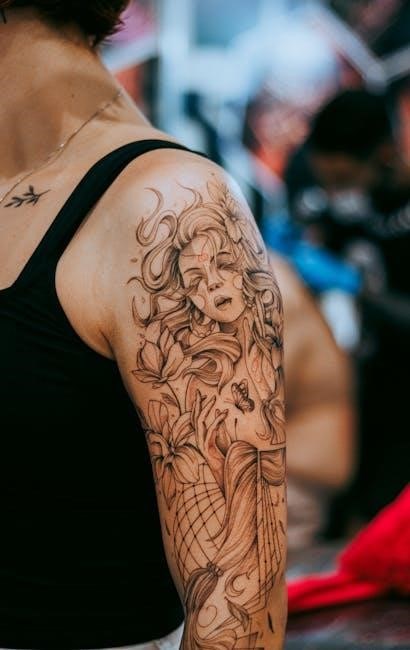
Shoulder tattoos are a classic choice, offering a blend of visibility and concealability, making them suitable for various professional environments. Historically, the shoulder represented strength and bearing burdens, a symbolism that persists today. Designs often reflect personal achievements, protective symbols, or artistic expressions.
When considering a shoulder tattoo, the curvature of the deltoid muscle provides a natural canvas that complements circular or flowing designs. However, the skin here can be sensitive for some, leading to moderate pain levels during application. Size is also a key consideration; smaller, delicate designs can get lost, while overly large pieces might feel restrictive.
Placement on the shoulder – front, side, or back – alters visibility and aesthetic impact. Front shoulder tattoos are more readily displayed, while side and back shoulder tattoos offer more discretion. Ultimately, a well-placed shoulder tattoo can be a powerful statement of individuality and resilience.
Upper Arm Tattoos: Popularity and Design Options
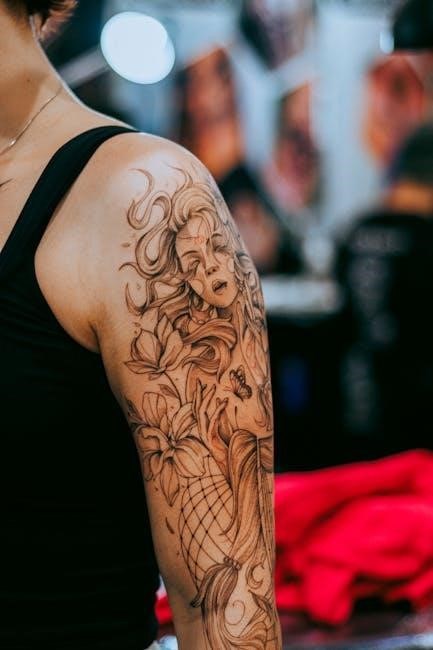
Upper arm tattoos consistently rank among the most popular choices, favored for their visibility and relatively lower pain levels compared to other areas. This location offers ample space for intricate designs, ranging from traditional sleeves to smaller, standalone pieces. Historically, biceps tattoos symbolized strength and courage, a connotation that continues to resonate.
Design options are virtually limitless, encompassing floral patterns, geometric shapes, portraits, and script. The cylindrical shape of the upper arm lends itself well to designs that wrap around the limb, creating a cohesive and dynamic look. Consider how the design will appear with both arms extended and flexed.
Skin thickness on the upper arm generally allows for greater detail and color saturation. However, muscle movement can cause slight distortion over time. Careful planning and a skilled artist are crucial for a lasting and visually appealing upper arm tattoo.
Forearm Tattoos: Visibility and Professional Life
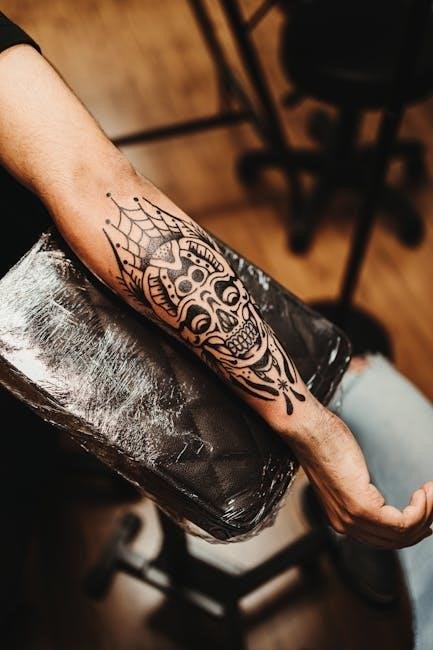
Forearm tattoos strike a balance between visibility and concealability, making them a popular choice for individuals navigating professional environments. Their placement allows for easy display but can be covered with long sleeves when necessary, offering versatility; This area is generally considered less sensitive than other locations, resulting in a moderate pain level during application.
Design-wise, the forearm’s relatively flat surface is ideal for linear patterns, quotes, or detailed illustrations. Many choose this spot for memorial tattoos or symbols representing personal beliefs. However, consider your profession’s tattoo policy before committing to a design.
While societal acceptance of tattoos is growing, some workplaces still maintain conservative standards. A discreet design may be preferable if career implications are a concern. Ultimately, the decision rests on personal comfort and professional considerations.
Chest Tattoos: Symbolism and Pain Factor
Chest tattoos carry significant symbolism, often representing love, courage, or personal strength, closely tied to the heart’s location. For men, they can symbolize masculinity and protection, while for women, they often represent femininity and nurturing. The area offers a broad canvas for larger, intricate designs, though placement near the sternum can be challenging.
However, be prepared for a higher pain level. The chest features thin skin over bone and numerous nerve endings, making the tattooing process more intense than on areas with more muscle or fat. Breathing can also affect the sensation.
Consider the visibility factor; chest tattoos are easily displayed with certain clothing styles. Healing requires diligent aftercare to prevent infection, given the area’s susceptibility to friction from clothing.
Back Tattoos: Canvas Size and Design Complexity
The back presents a remarkably expansive canvas, ideal for large-scale, highly detailed tattoo designs. Its broad surface area allows for intricate artwork, storytelling pieces, or symmetrical designs that flow with the body’s natural contours. Many choose back pieces to showcase significant life events or deeply personal symbolism.
However, the back’s size also demands careful consideration of design complexity and the artist’s skill. Achieving a balanced and aesthetically pleasing composition requires expertise. Pain levels are generally moderate, increasing closer to the spine and ribs.
Visibility is controllable; back tattoos can be concealed easily, offering privacy. Proper aftercare is crucial due to the area’s potential for friction and sweat.

Lower Body Tattoo Locations
Lower body tattoo options range from thigh designs offering versatility and concealment, to calf tattoos emphasizing athleticism, and delicate ankle or foot pieces.
Thigh Tattoos: Design Versatility and Concealment
The thigh presents a remarkably versatile canvas for tattoo artistry, offering ample space for intricate and expansive designs. Its relatively flat surface lends itself well to detailed work, allowing for complex imagery and shading. A significant advantage of thigh tattoos is their concealability; they can be easily covered with clothing, making them a practical choice for individuals in professions with conservative dress codes or those who prefer discretion.
Design options are virtually limitless, ranging from floral patterns and geometric shapes to portraits and mythological scenes. The thigh’s curvature can be incorporated into the design, enhancing its aesthetic appeal and flow with the body’s natural lines. Pain levels are generally considered moderate, as the thigh has a good amount of muscle and fat. However, the inner thigh can be more sensitive. Consideration should be given to how the design might appear with different clothing styles and body movements.
Calf Tattoos: Athleticism and Aesthetic Appeal
The calf muscle provides a dynamic and visually appealing location for tattoos, often associated with athleticism and physical fitness due to the muscle’s prominence during movement. This area is particularly well-suited for designs that emphasize length and flow, complementing the natural shape of the leg. Popular choices include depictions of animals, plants, geometric patterns, and inspirational quotes. The calf’s visibility allows for showcasing the artwork, yet it’s easily concealed with pants or longer socks when needed.
Pain levels are typically moderate, though closer to the ankle bone, sensitivity can increase. The calf’s muscle structure provides a stable base for the artist, resulting in clean lines and detailed shading. When selecting a design, consider how it will appear while standing, walking, and engaging in physical activity. A well-placed calf tattoo can enhance the leg’s aesthetic and reflect an active lifestyle.
Ankle Tattoos: Delicate Designs and Visibility
Ankle tattoos are a popular choice for those seeking subtle yet stylish body art, often featuring delicate designs like floral patterns, minimalist symbols, or thin bands. This location offers a balance between visibility and concealability, easily showcased with sandals or skirts, yet hidden with socks or boots. The ankle’s relatively flat surface is ideal for smaller, intricate pieces, though larger designs can wrap around the joint for a more prominent statement.
However, be aware that ankle tattoos can experience faster fading due to frequent friction from footwear. Pain levels are generally considered moderate to high, as the ankle bone is close to the skin’s surface. Careful aftercare is crucial to maintain the tattoo’s vibrancy and prevent premature wear. Consider the design’s longevity and choose an artist experienced in ankle tattoo application.
Foot Tattoos: Pain and Fading Considerations
Foot tattoos are often chosen for their discreet nature and potential for unique designs, ranging from small symbols to elaborate patterns extending across the top or sides of the foot. However, this location presents significant challenges regarding pain and longevity. The foot has a high concentration of nerve endings, making it one of the more painful areas to get tattooed, with the top of the foot generally less sensitive than the sole or between the toes.
Furthermore, foot tattoos are prone to rapid fading due to constant friction from socks, shoes, and general foot movement. Regular moisturizing and sun protection are essential, but even with diligent care, touch-ups are often required to maintain the tattoo’s clarity. Consider a simple, bold design to maximize its lifespan in this challenging location.

Other Notable Tattoo Locations
Beyond common areas, unique spots like the wrist, hand, neck, ribcage, and behind the ear offer subtle expression and personal symbolism.
Wrist Tattoos: Meaning, Visibility, and Size

Wrist tattoos are exceptionally popular due to their blend of visibility and concealability, making them suitable for various professional environments. This location often symbolizes connection, remembrance, or personal strength, frequently chosen for meaningful designs. The wrist’s relatively flat surface lends itself well to smaller, delicate tattoos, such as minimalist lines, symbols, or short words.
However, the wrist can be a sensitive area, potentially increasing pain levels during the tattooing process. Consider the design’s longevity, as wrist movement and frequent handwashing can contribute to faster fading compared to less-exposed areas. Culturally, wrist adornment has historical roots in bracelets and bands signifying status or protection, adding another layer of meaning to modern wrist tattoos. Carefully consider size and complexity to ensure the design remains aesthetically pleasing over time.
Hand Tattoos: Bold Statements and Professional Impact
Hand tattoos represent a bold commitment, offering high visibility and serving as powerful statements of individuality. Historically, hand tattoos signified various affiliations – from religious devotion to criminal status – imbuing the location with a rich, often complex, cultural history. Modern hand tattoos often symbolize self-expression, artistry, or personal beliefs, but potential wearers must carefully consider the professional ramifications.
Many workplaces maintain conservative policies regarding visible tattoos, and hand tattoos are among the least easily concealed. The skin on the hands experiences significant wear and tear, leading to quicker fading and requiring more frequent touch-ups. Pain levels can be substantial due to the thin skin and numerous nerve endings. Thoughtful design selection, considering size and placement, is crucial for long-term aesthetic appeal.
Neck Tattoos: Controversy and Cultural Significance
Neck tattoos are arguably among the most visually striking and controversial tattoo placements, carrying significant cultural weight and often challenging societal norms. Historically, neck tattoos have been associated with rebellion, counter-culture movements, and, in some cultures, status or spiritual significance. Modern interpretations range from artistic expression to deliberate statements of nonconformity.
However, the high visibility of neck tattoos can create substantial professional obstacles, limiting career opportunities in many fields. Pain levels are generally moderate to high due to the skin’s sensitivity and proximity to bone. Careful consideration of design size and style is essential, as the neck offers limited space. The area is also prone to sun exposure, potentially accelerating fading.
Rib Cage Tattoos: Pain and Feminine Appeal
Rib cage tattoos have gained considerable popularity, particularly among women, due to their unique aesthetic and ability to follow the body’s natural curves. This placement allows for larger, more elaborate designs that can be partially concealed or revealed, offering a degree of versatility. However, it’s widely considered a painful area to tattoo due to the thin skin, lack of muscle, and proximity to bone and organs.
Breathing during the process can amplify discomfort, requiring patience from both the artist and the client. Designs often emphasize the feminine form, but are suitable for all genders. Fading can occur more rapidly due to skin stretching and movement; proper aftercare is crucial.
Behind the Ear Tattoos: Subtle and Meaningful
Tattoos placed behind the ear offer a discreet yet expressive form of body art, often favored for their subtle visibility and potential for personal significance. This location is popular for smaller designs, symbols, or delicate lettering, making it ideal for those seeking a minimalist aesthetic or a hidden tribute. While generally considered less painful than many other areas, sensitivity varies based on individual tolerance and proximity to cartilage.

The placement lends itself well to designs representing hearing, intuition, or secrets. Fading can be a concern due to frequent contact with hair and accessories, necessitating diligent aftercare and sun protection. It’s a versatile spot for both men and women.
Finger Tattoos: Trends, Fading, and Pain
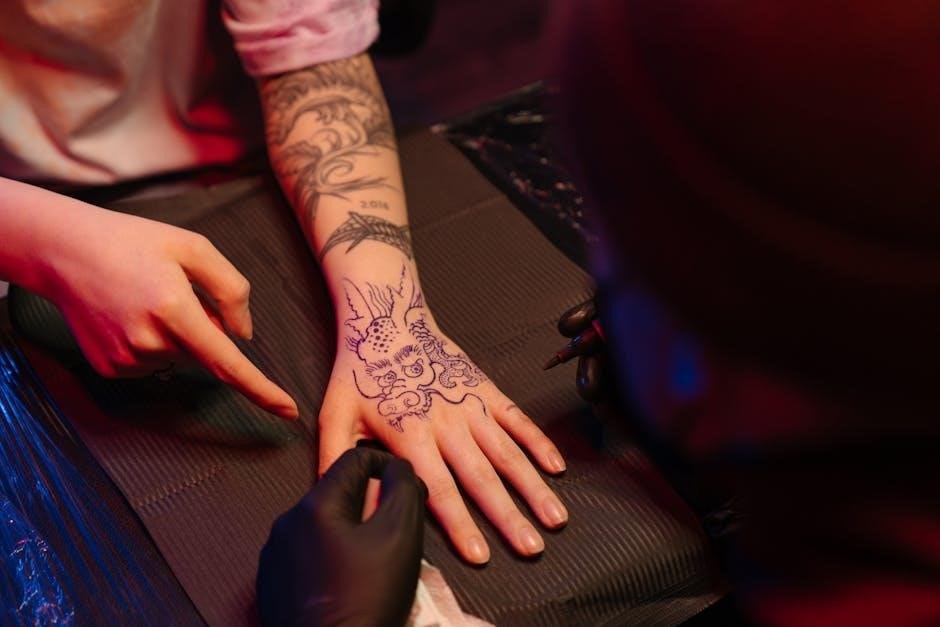
Finger tattoos have surged in popularity, driven by minimalist trends and a desire for visible, yet relatively small, body art. Despite their appeal, they present unique challenges. The skin on fingers experiences constant friction and washing, leading to significantly faster fading compared to other locations. Touch-ups are often required frequently to maintain the design’s clarity.
Pain levels are notably high due to thin skin and close proximity to bone. Simple designs and limited linework are generally recommended. Symbolism often revolves around individuality, commitment, or personal mantras. Consider the professional implications, as visible finger tattoos may not be suitable for all workplaces.
Nape of the Neck Tattoos: Unique Placement and Design
The nape of the neck offers a distinctive and often concealed tattoo location, gaining traction for its subtle yet striking aesthetic. This area is particularly favored for smaller, intricate designs, geometric patterns, or delicate script. It allows for a personal expression that can be easily hidden with hair, offering versatility for professional settings or personal preference.
Pain levels are moderate, as the area contains some muscle and nerve endings. Designs often symbolize strength, resilience, or a hidden aspect of one’s personality. Consider the potential for visibility when hair is styled up, and the long-term commitment to maintaining the tattoo’s appearance.
Abdomen Tattoos: Personal Symbolism and Concealment
Abdomen tattoos present a unique canvas for personal expression, offering a broad surface area for detailed and expansive designs. This location is often chosen for its ability to be easily concealed by clothing, making it a private and intimate form of body art. Symbolically, the abdomen can represent core strength, life, and personal growth, lending itself to meaningful imagery.
Pain levels are generally moderate to high due to the thinner skin and proximity to bone. Designs can range from floral motifs and abstract art to quotes and significant dates. Consider potential skin changes due to weight fluctuations or pregnancy, which could affect the tattoo’s appearance over time.