
2023 general instructions for certain information returns
Overview of 2023 General Instructions for Information Returns
The 2023 General Instructions for Information Returns establish the framework for filing tax and data. They clarify eligibility‚ form requirements‚ filing via FIRE‚ and and penalties for non‑compliance. The guidance incorporates recent legislative updates and emphasizes accurate data submission. now
Purpose and Scope
The 2023 General Instructions for Information Returns are designed to provide taxpayers‚ financial institutions‚ and other reporting entities with clear‚ concise guidance on the preparation‚ submission‚ and compliance requirements a broad range of information returns. The purpose of these instructions is to standardize reporting practices‚ reduce ambiguity in the interpretation of tax law‚ and ensure that Internal Revenue Service (IRS) can efficiently process and audit returns with accurate‚ complete data. By outlining the scope of applicable forms‚ the instructions identify which entities are required to file‚ the specific data elements that must be reported‚ and the deadlines that govern each filing cycle. They also address the transition from legacy paper filing to the modern electronic filing system (FIRE)‚ providing step‑by‑step procedures for electronic submission‚ validation checks‚ and error handling. The instructions emphasize the importance of timely compliance‚ explaining the consequences of late or incomplete filings‚ and outline the available relief options for taxpayers who encounter unforeseen circumstances; Finally‚ the document serves as a reference point for future updates‚ noting that the IRS may issue supplemental guidance or amendments to reflect changes in tax law‚ technology‚ or administrative policy. This comprehensive framework ensures that all stakeholders have a unified understanding of their responsibilities and the mechanisms for fulfilling them in accordance with the 2023 tax year requirements.
Legal Authority and Updates
In 2023‚ the Internal Revenue Service (IRS) issued a comprehensive update to the General Instructions for Information Returns‚ codified under Treasury Regulation §1.1472-1. The update‚ released on February 15‚ 2023‚ reflects amendments to the Internal Revenue Code enacted by the 2022 Tax Relief Act and the 2023 Revenue Reconciliation Act. The update expanded the definition of “information return” to include electronic data transmissions and introduced new filing thresholds for small businesses. The IRS clarified that the regulations apply to all entities required to submit Forms 1099‚ 1098‚ 1042‚ and related schedules‚ regardless of the filing method. Additionally‚ the update incorporated guidance from the Treasury’s Office of the Chief Information Officer (OCIO) regarding secure electronic transmission standards‚ aligning with the NIST Cybersecurity Framework. The instructions also reference the Treasury’s 2023 guidance on the use of the FIRE (Filing Information Returns Electronically) system‚ emphasizing the mandatory use of the new authentication protocol based on the NCRYPT_KEY_TYPE_PROPERTY standard. Finally‚ the update notes that failure to comply with the new thresholds or authentication requirements may result in penalties under §6662 of the Internal Revenue Code‚ and provides a timetable for phased implementation‚ with full compliance required by the 2024 tax year.

These provisions aim to streamline compliance‚ reduce administrative burden‚ ensure consistent data quality across all reporting entities in the 2024 tax cycle!
Key Definitions
In the 2023 General Instructions‚ several terms are defined to ensure consistent interpretation across all filings. Information Return refers to any document submitted to the tax authority that reports income‚ deductions‚ or other tax‑related data. Taxpayer Identification Number (TIN) is the unique identifier assigned to individuals or entities for tax purposes. The Federal Information Retrieval Engine (FIRE) is the electronic platform mandated for filing most returns; it requires secure authentication and digital signatures. Electronic Filing denotes submission via FIRE‚ while Paper Filing remains an option for specific forms or when electronic submission is unavailable. Signature can be a handwritten‚ electronic‚ or digital signature‚ depending on the form’s requirements. Authentication involves verifying the filer’s identity through a government‑issued electronic ID or a secure key. Threshold indicates the minimum amount of income or transaction volume that triggers the filing obligation. Amended Return is a corrected filing that replaces a previously submitted return to reflect changes or corrections. These definitions provide the foundational language for the rest of the guidance. Additionally‚ the instructions require that a taxpayer’s filing status‚ tax year‚ and any exemptions be accurately reported. Electronic submissions must include a valid electronic signature; paper returns must carry a handwritten signature or certified stamp. Non‑compliance can trigger delays or penalties.
Filing Requirements and Eligibility

Entities must file returns if their gross receipts exceed $100‚000 or if they have a tax liability over $5‚000. Exemptions apply to non‑profit organizations and certain foreign entities returns must be submitted by the stat deadline. Electronic filing is encouraged; paper acceptable if no means.
Who Must File
Taxpayers‚ entities‚ and individuals who meet the statutory thresholds specified in the Internal Revenue Code and related regulations are required to file the designated information returns for the 2023 tax year. This includes corporations‚ partnerships‚ sole proprietorships‚ estates‚ trusts‚ and any other legal entities that receive payments‚ interest‚ dividends‚ or other reportable income from U.S. sources. Additionally‚ foreign persons who have U.S. source income subject to withholding must submit the appropriate forms. The filing obligation applies regardless of whether the taxpayer is a resident or non‑resident alien‚ provided the income is effectively connected with a U.S. trade or business. Entities that have engaged in activities such as sales‚ leasing or employment within the United States must also file if the gross receipts or payments exceed the thresholds established by the IRS. Failure to file or to file accurately can result in penalties‚ interest‚ and potential audits. The IRS has issued guidance clarifying that certain small‑business entities with gross receipts below the statutory limits may be exempt‚ but they must still maintain records and be prepared to file if circumstances change. It is essential to review the specific form instructions‚ as each return type—such as Form 1099‑MISC‚ 1099‑INT‚ 1096‚ or 1120—has distinct filing requirements‚ deadlines‚ and electronic filing mandates. Tax professionals should consult the latest IRS announcements and the Treasury’s official website for updates on thresholds‚ filing windows‚ and any transitional provisions that affect the 2023 filing cycle.
Taxpayers should verify any state‑level filing obligations that may apply to their returns!!
Thresholds and Exceptions
In 2023‚ the General Instructions set specific monetary thresholds that trigger filing obligations. Entities with gross receipts exceeding $10‚000‚ or those reporting certain types of income above $5‚000‚ must submit the designated information return. Exceptions apply for small‑business owners whose total taxable income remains below $50‚000‚ as well as for nonprofit organizations that meet the IRS exemption criteria. Additionally‚ entities engaged in digital transactions with foreign parties must report if the aggregate value surpasses $25‚000 in a calendar year‚ regardless of overall revenue; However‚ if the entity’s average monthly sales stay below $2‚000 and it has no foreign affiliates‚ it may qualify for a simplified filing exemption. The instructions also clarify that certain agricultural producers are exempt from filing if their total crop receipts are under $15‚000. These thresholds are subject to annual inflation adjustments; the 2023 guidance specifies a 2.5% increase for the following year. Failure to meet the thresholds without qualifying for an exception results in mandatory filing and potential penalties as outlined in the subsequent sections.
For entities engaged in e‑commerce‚ a separate threshold applies: if the number of transactions exceeds 500 or the total value surpasses $30‚000‚ a return is required. Certain educational institutions are exempt if their annual tuition revenue is under $20‚000. The instructions also note that entities with a prior audit history may be subject to a stricter threshold of $8‚000 to ensure compliance. These provisions aim to balance reporting burden with tax compliance objectives.
Specific Forms Covered
In 2023‚ the General Instructions encompass a broad spectrum of information‑return forms that taxpayers‚ employers‚ and financial institutions must file. The primary categories include:
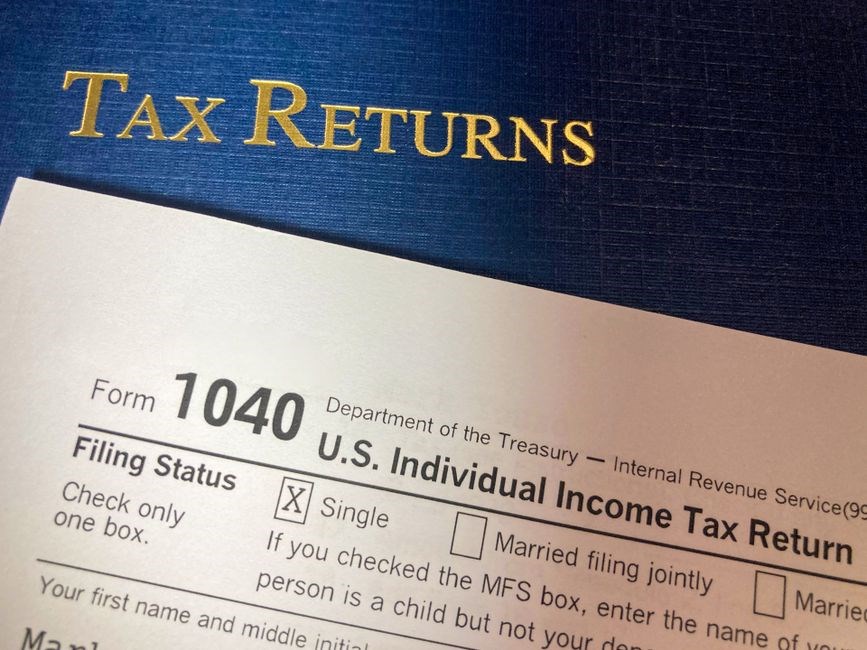
- Individual income‑tax returns (Form 1040 series) – The instructions cover the standard 1040‚ 1040‑A‚ 1040‑S‚ and the new 1040‑EZ (if still in use)‚ detailing filing thresholds‚ required attachments‚ and electronic submission protocols.
- Employer payroll returns (Forms 941‚ 940‚ 944) – Guidance on quarterly federal tax withholding‚ unemployment tax‚ and annual reconciliation‚ including the use of the FIRE system and required authentication.
- Business returns (Forms 1120‚ 1120‑S‚ 1120‑C‚ 1065‚ 990 series) – Instructions for corporations‚ S‑entities‚ and exempt organizations‚ with emphasis on reporting income‚ deductions‚ and related schedules.
- Foreign‑source income (Forms 1042‚ 1042‑S) – Detailed procedures for withholding and reporting payments to non‑resident aliens‚ including treaty benefits and electronic filing requirements.
- Information returns for payments (Forms 1099‑MISC‚ 1099‑NEC‚ 1099‑INT‚ 1099‑DIV‚ 1099‑R‚ 1099‑G‚ 1099‑OID) – Updated thresholds‚ new filing deadlines‚ and mandatory electronic filing via the FIRE portal.
- Health‑care reporting (Forms 1095‑A‚ 1095‑B‚ 1095‑C) – Instructions for employers and health plans to report coverage information‚ with emphasis on data accuracy and e‑submission.
- Other miscellaneous forms (Forms 1098‚ 1096‚ 1098‑T‚ 1098‑E) – Guidance on mortgage interest‚ tuition‚ and education savings contributions‚ including required attachments and electronic filing.
Each form’s section in the 2023 General Instructions provides specific filing dates‚ required signatures‚ and the latest compliance updates to ensure accurate and timely submission.

Preparation and Submission Procedures
The 2023 instructions detail electronic filing via the FIRE system‚ required file formats‚ and transmission deadlines. Paper filing must follow specific envelope‚ copy‚ and signature rules‚ while authentication uses approved digital signatures. Note.

Electronic Filing (FIRE) Guidelines

In 2023‚ the IRS expanded the Federal Information Retrieval Engine (FIRE) to streamline information return filings. All entities submitting Forms 1099‚ 1098‚ or 1042 must use FIRE unless a paper exception applies. Filers register for a FIRE account‚ obtain a unique user ID‚ and complete electronic authentication via a secure token or multi‑factor authentication. Submissions must be in the designated XML format; each record is validated against the IRS schema before upload. The system accepts batch uploads of up to 10‚000 records per file‚ and each record must include mandatory fields such as payer identification number‚ recipient TIN‚ and payment amounts. Errors are flagged in real time; filers receive a detailed error report that must be corrected before resubmission. The electronic filing deadline matches the paper deadline‚ but returns receive a 10‑day grace period. FIRE offers a “Return Status” API for querying the processing state of each return. Failure to meet the electronic filing requirement may incur a $50 penalty per return‚ plus additional penalties for late submission. The 2023 General Instructions emphasize data integrity‚ secure transmission‚ and compliance with privacy regulations‚ including GDPR for international recipients. All electronic filings must be signed electronically with a digital signature that meets IRS security standards‚ and the signature must be embedded in the XML document. Filers should maintain a backup of the original XML file and the confirmation receipt for at least 10 years. Adhering to these FIRE guidelines reduces processing time‚ minimizes errors‚ and ensures compliance with federal reporting requirements.!
Paper Filing Protocols
For tax year 2023 the IRS continues to accept paper submissions of information returns‚ but the agency has tightened requirements to improve accuracy and reduce processing delays. Taxpayers must use the current form version printed on white 8½ × 11‑inch paper and complete all fields in black ink with a legible style. Any alteration‚ erasure‚ or use of correction fluid invalidates the return and trigger a penalty .
Each return must be signed by an authorized officer; the signature line must include the signer’s printed name‚ title‚ and execution date. If filed for a partnership or corporation‚ a power‑of‑attorney or corporate seal is required.
Envelopes must be addressed to the IRS processing center listed in the 2023 Instructions‚ include the correct ZIP + 4‚ and mark “Information Return – Paper” in bold. Postmark by the filing deadline; late papers are accepted only with an approved extension.
All attachments should be stapled or clipped; loose sheets may be rejected. The IRS recommends single‑sided printing with a minimum 0.5‑inch margin to aid scanning. Non‑compliant papers may be delayed or returned for correction. promptly…
Finally‚ taxpayers should keep a full copy of the paper return and mailing proof‚ such as a certified‑mail receipt or courier tracking‚ for at least three years. This record is vital for IRS inquiries‚ amended returns‚ or disputing penalties. Each year.. Keep files ready for audit review.
Signature and Authentication Rules
All information returns filed for 2023 must be signed in a manner that satisfies the Internal Revenue Service (IRS) authentication standards. For electronic submissions through the Filing Information Returns Electronically (FIRE) system‚ a valid electronic signature consists of a Personal Identification Number (PIN) linked to the responsible party’s EIN‚ or a digital certificate issued by an IRS‑approved Certificate Authority. The PIN must be exactly five numeric characters‚ cannot begin with zero‚ and must be entered in the designated field of the transmission file. Use the current IRS filing guide now.
Paper returns require a handwritten signature of the authorized officer. The signature line must include the signer’s printed name‚ title‚ and the date of signing. If a power of attorney is in effect‚ the attached Form 2848 must be attached and the attorney’s signature must appear on the return. The IRS will reject any paper return that lacks a legible signature or that contains a signature that does not match the name on the EIN registration.
Authentication failures trigger an automatic validation error code “E‑001”. To correct the error‚ the filer must resubmit the return with a corrected signature element within 30 days of the notice. Repeated failures may result in a $50 penalty per return. The IRS provides a “Signature Verification Portal” where filers can test the validity of their electronic signature before final transmission.!

Common Errors and Correction Mechanisms
Common validation failures include missing mandatory fields‚ incorrect tax IDs‚ and mismatched amounts. The 2023 guidance allows electronic amendment via FIRE‚ 30‑day. Late filings incur penalties‚ but relief is available under specific circumstances.
Typical Validation Failures
Common validation errors in 2023 information returns arise from mismatched taxpayer identifiers‚ incomplete address fields‚ and incorrect filing dates. The IRS’s FIRE system flags “Invalid SSN” when the nine‑digit number fails the checksum algorithm‚ while “Duplicate Return” errors surface if a taxpayer submits more than one return for the same tax year. Data type mismatches—such as entering a string in a numeric field—trigger “Field Value Out of Range” messages. Additionally‚ the system rejects returns with missing required attachments‚ like the Form 1099‑C for canceled debt‚ or those that reference a non‑existent account number. When the filing status code does not align with the reported income type‚ a “Status Code Conflict” is returned. Finally‚ the validation engine checks for logical consistency; for instance‚ claiming a child tax credit without a qualifying dependent results in a “Dependent Not Qualified” error. These failures must be corrected before resubmission to avoid processing delays or penalties.
Other frequent validation failures involve mismatched tax year indicators‚ where the filing year in the header does not match the year indicated on supporting schedules‚ triggering a “Year Mismatch” error; Taxpayers claiming foreign tax credits without Form 1116 “Missing Foreign Credit Documentation” alert. Returns that include taxable income are flagged with a “Negative Income Not Allowed” message. Each of these errors must be addressed now soon before return can be accepted by FIRE.
Amended Returns Process
Taxpayers filing amended returns electronically must submit a signed PDF copy of the amended return and supporting schedules. The FIRE portal validates data against current tax tables and flags inconsistencies before acceptance. If the amendment changes the tax due‚ the taxpayer should include a payment voucher or use electronic payment option to settle the balance. Failure to provide a payment when required may trigger a notice of deficiency and accrue interest at the statutory rate.
To ensure compliance‚ taxpayers should verify that all line items on the amended return match the original return‚ and any adjustments are fully documented. The IRS requires that the amended return include a detailed explanation of the changes‚ referencing the specific lines affected and the rationale behind the adjustment. For complex returns‚ attaching a supporting statement or a revised schedule can expedite processing. Additionally‚ taxpayers must update any withholding or estimated tax payments that were based on the original return. Failure to adjust these amounts may result in underpayment penalties. The IRS provides an online status tracker for amended returns‚ allowing taxpayers to monitor the review progress and receive notifications of any required actions. If the IRS requests additional information‚ taxpayers should respond within 30 days to avoid further delays. Maintaining organized records of all correspondence‚ receipts‚ and supporting documents is essential for audit readiness and future amendments.

Penalties and Relief Options

Penalties for late or inaccurate information returns in 2023 are designed to promote compliance while offering relief. The base penalty is 5% of the understatement amount per month‚ capped at 25% of total liability. Gross negligence or intentional non‑compliance raises the penalty to 15% per month‚ capped at 75%. A $50 surcharge applies to each filing that misses the FIRE electronic deadline unless the taxpayer can prove reasonable cause‚ such as a system outage or a documented data entry error. The IRS also imposes a 2% penalty of the tax due‚ with a minimum of $200. The 2023 instructions introduce a Voluntary Disclosure Program. Taxpayers who voluntarily disclose a previously omitted return within 90 days of the original deadline may avoid the 15% monthly penalty for gross negligence‚ provided they pay tax and interest. The program also offers a one‑time waiver of the $50 surcharge if the delay was caused by a third‑party software provider’s failure to meet FIRE standards. To qualify for relief‚ taxpayers must submit a written request‚ a detailed explanation‚ and supporting evidence such as system logs or vendor correspondence. The IRS reviews the request within 30 days and issues a written decision. If denied‚ the taxpayer may appeal to the Taxpayer Advocate Service within 60 days. Relief is not available for returns filed after the 10‑year statute of limitations expires or for returns filed with intent to defraud. Prompt action and accurate records are essential to mitigate penalties and ensure compliance with the 2023 General Instructions for Information Returns. !