waiting for godot pdf act 2
Waiting for Godot’s Act 2, readily available as a PDF, continues the existential exploration of Vladimir and Estragon, offering scholars rich textual data for analysis․
Overview of the Play and its Significance
Samuel Beckett’s Waiting for Godot, a cornerstone of absurdist drama, profoundly impacted 20th-century theatre․ The play, presented in two acts, depicts Vladimir and Estragon’s cyclical and ultimately futile wait for the enigmatic Godot․ Its significance lies in its exploration of the human condition – themes of existentialism, meaninglessness, and the search for purpose resonate deeply with audiences․
Accessing Act 2 in PDF format facilitates detailed study of Beckett’s minimalist dialogue and symbolic imagery․ The play challenges conventional narrative structures, mirroring the chaotic and unpredictable nature of life․ Its enduring power stems from its ability to provoke contemplation on fundamental questions about existence, hope, and the passage of time, making it a vital text for literary analysis․
Availability of Waiting for Godot Act 2 in PDF Format
Numerous online resources offer Waiting for Godot Act 2 in PDF format, catering to students, researchers, and theatre enthusiasts․ Reputable academic databases and online libraries frequently host digitized versions of the play, ensuring accessibility for scholarly purposes․ Websites dedicated to literary texts also provide downloadable PDFs, though verifying source reliability is crucial․
The prevalence of PDF versions streamlines study, allowing for easy annotation, keyword searching, and offline access․ However, copyright considerations are paramount; always prioritize legally obtained PDFs from trusted sources to support authors and publishers․ Utilizing search engines with specific keywords like “Waiting for Godot Act 2 PDF” yields a wide range of options․

Characters in Act 2
Vladimir and Estragon persist in their cyclical routines, while Pozzo and Lucky reappear, dramatically altered, revealing the play’s core themes․
Vladimir and Estragon: Their Dynamic and Deterioration
Vladimir and Estragon’s relationship in Act 2, accessible through PDF versions of the play, demonstrates a deepening sense of weariness and dependence․ Their interactions, though still filled with bickering and playful exchanges, are increasingly marked by memory lapses and physical decline․
The PDF text reveals a subtle shift; their attempts at distraction – jokes, vaudeville routines, and philosophical musings – feel less energetic and more desperate․ Estragon’s reliance on Vladimir for basic needs intensifies, while Vladimir struggles to maintain a semblance of order and purpose․
This deterioration isn’t simply physical; their ability to connect meaningfully seems to erode, highlighting the play’s exploration of isolation and the futility of human connection․ Analyzing the PDF allows close examination of their fragmented dialogue and repetitive actions, showcasing their tragicomic plight․
Pozzo and Lucky: A Shift in Power Dynamics
Act 2, readily studied via PDF access, presents a stark contrast to Pozzo and Lucky’s initial appearance․ Pozzo is now blind, utterly dependent on Lucky, who is himself mute and weakened․ This reversal, clearly visible in the PDF text, dramatically alters their power dynamic․
The PDF reveals Pozzo’s frantic attempts to assert control, now relying on increasingly desperate commands and recollections of past dominance․ Lucky’s silence and diminished physical state underscore the devastating consequences of exploitation․ Their relationship, once defined by cruel mastery, is now one of mutual suffering․
This shift isn’t merely a change in circumstance; it symbolizes the transient nature of power and the inevitability of decay, themes powerfully conveyed through Beckett’s dialogue within the PDF․

Key Themes Explored in Act 2
Waiting for Godot’s Act 2, accessible in PDF format, deeply examines existential absurdity, the relentless passage of time, and the fragile nature of hope․
The Absurdity of Existence
Waiting for Godot’s Act 2, conveniently studied via PDF, relentlessly portrays the human condition as fundamentally absurd․ Vladimir and Estragon’s cyclical routines, pointless conversations, and unwavering anticipation for someone who never arrives exemplify this․ Their existence lacks inherent meaning, driven by habit and a desperate need to fill the void․
The play questions the logic of purpose, highlighting the futility of searching for answers in a meaningless universe․ Pozzo and Lucky’s dynamic further underscores this, showcasing power imbalances and the arbitrary nature of control․ The PDF allows close examination of Beckett’s dialogue, revealing the breakdown of communication and the characters’ inability to grasp any substantial truth, solidifying the theme of existential absurdity․
Time and Repetition
Analyzing the Waiting for Godot Act 2 PDF reveals a deliberate manipulation of time, characterized by cyclical patterns and a sense of stagnation․ Days blur into one another, marked only by the repeated arrival and departure of the boy, delivering the same ambiguous message․ Vladimir and Estragon’s actions – conversations, attempts at suicide, and physical routines – endlessly repeat, highlighting the monotony of their existence․
This repetition isn’t merely structural; it reflects a deeper philosophical point about the nature of time itself․ The PDF facilitates tracing these recurring motifs, demonstrating how Beckett uses them to convey a sense of timelessness and the characters’ entrapment within a meaningless present; The lack of progression emphasizes the absurdity of their wait․
Hope and Despair
A close reading of the Waiting for Godot Act 2 PDF showcases a fluctuating dynamic between hope and despair within Vladimir and Estragon․ Despite the consistent lack of Godot’s arrival, they cling to the belief that tomorrow will bring salvation, a testament to their enduring, albeit fragile, hope․ However, this hope is constantly undermined by their bleak surroundings and the repetitive nature of their days․
The PDF allows for detailed examination of dialogue revealing moments of profound despair, punctuated by fleeting instances of optimism․ This oscillation embodies the human condition, perpetually caught between longing for meaning and confronting the void․ Beckett masterfully portrays this tension, leaving the audience questioning the validity of their continued wait․
Plot Summary of Act 2
Act 2’s PDF reveals Vladimir and Estragon’s continued wait, punctuated by the return of Pozzo and Lucky, now altered, and a boy delivering Godot’s message․
The Second Waiting Period
Within the Act 2 PDF, the second waiting period mirrors the first, yet subtly shifts in tone and texture․ Vladimir and Estragon occupy the same desolate landscape, engaging in familiar routines designed to pass the time and distract from their underlying anxiety․ Their cyclical conversations, filled with repetition and non-sequiturs, highlight the futility of their existence and the elusive nature of meaning․
The PDF demonstrates how this period isn’t merely a reiteration; it’s a deepening of their predicament․ The characters’ physical and mental states appear more fragile, reflecting the cumulative weight of their endless anticipation․ The very structure of the act, mirroring the first, emphasizes the play’s thematic concerns with time, stagnation, and the human condition․
Pozzo and Lucky’s Return
The Act 2 PDF reveals a dramatically altered dynamic upon Pozzo and Lucky’s reappearance․ Pozzo, now blind, is utterly dependent on Lucky, who is mute․ This reversal of power underscores the play’s exploration of dominance, servitude, and the transient nature of control․ Their return isn’t a simple repetition; it’s a distorted echo of their previous encounter, highlighting the decay and suffering inherent in their relationship․
Analyzing the PDF, we see Pozzo’s blindness symbolizes a loss of perception and understanding, while Lucky’s silence represents the silencing of the oppressed․ Their presence serves as a stark reminder of the cyclical nature of abuse and the inevitability of decline, further emphasizing the play’s bleak outlook on the human condition․
The Boy and the Message
The Act 2 PDF showcases the recurring motif of the boy delivering Godot’s message: “Godot will not come tonight․” This seemingly simple communication, repeated verbatim, embodies the play’s central theme of perpetual waiting and unfulfilled hope․ The boy’s arrival offers a fleeting moment of anticipation, immediately dashed by the unchanging message․
Examining the PDF closely, the boy’s ambiguous role raises questions about his reliability and the nature of Godot himself․ Is he a genuine messenger, or simply a tool to prolong Vladimir and Estragon’s futile existence? His presence reinforces the cyclical structure of the play, highlighting the characters’ entrapment in a meaningless routine․

Symbolism in Act 2
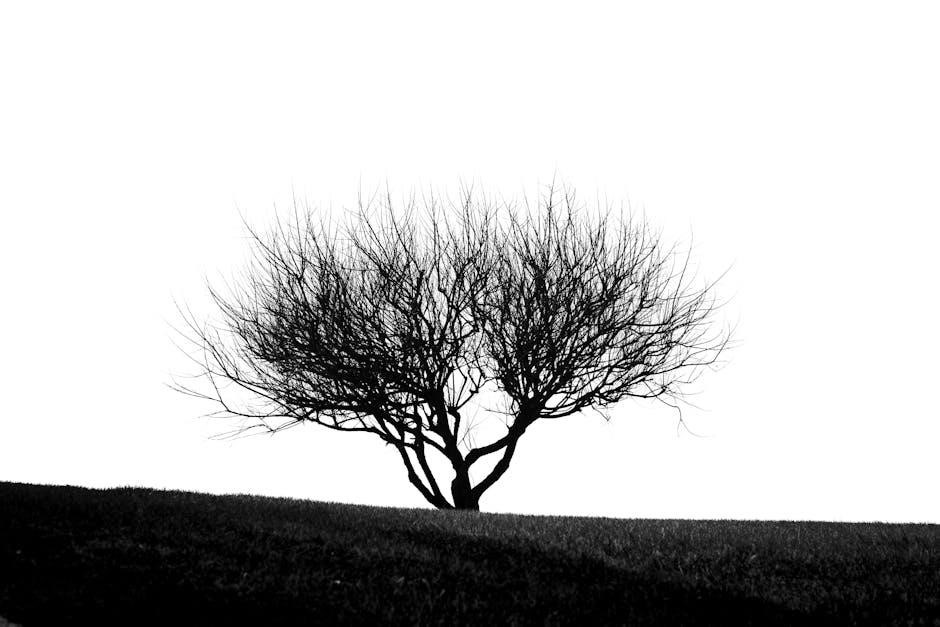
PDF analysis reveals potent symbols: the barren tree, representing dwindling hope, and the road, signifying a stagnant journey, mirroring the characters’ plight․
The Tree: A Symbol of Hope or Desolation?
Analyzing the PDF of Act 2, the lone tree stands as a central, ambiguous symbol․ Initially barren, it sprouts a few leaves, prompting fleeting hope for Vladimir and Estragon – a potential sign of life and change in their desolate world․ However, this hope is quickly tempered by the tree’s overall state of decay, suggesting a fragile and ultimately illusory promise․
Some interpretations view the tree as representing a connection to a lost Eden, or a fading religious symbol, while others see it as a stark representation of the cyclical nature of existence, mirroring the characters’ repetitive routines․ The tree’s presence, or lack thereof in Act 1, further emphasizes its symbolic weight, prompting debate about its significance within the broader context of the play’s existential themes․ Is it a beacon, or merely a reminder of what’s missing?
The Road: Representing Journey and Stagnation
Examining the PDF version of Act 2 reveals the road as a potent symbol of both potential movement and frustrating immobility․ Vladimir and Estragon remain perpetually on the road, yet never truly travel anywhere, embodying the play’s central theme of existential stagnation․ The road suggests a journey, a path towards a destination – Godot – but this journey is endlessly deferred, becoming a circular pattern of waiting․
The road’s emptiness mirrors the characters’ internal void, while its unchanging nature reinforces the sense of futility․ It represents the human condition: constantly striving, yet ultimately going nowhere․ The road isn’t a path to something, but rather a space of waiting, a physical manifestation of their psychological entrapment․
Godot: The Unreachable Figure
Analyzing the PDF of Act 2 reinforces Godot’s status as the ultimate symbol of hope and disappointment․ He remains perpetually absent, a promised salvation that never arrives․ The boy’s repeated message – “Godot will not come tonight” – underscores this frustrating cycle of expectation and denial, central to the play’s absurdist nature․
Godot’s identity is deliberately ambiguous; he could represent God, meaning, or simply a desired escape from the characters’ bleak existence․ His unreachability isn’t necessarily a malicious act, but rather a reflection of the inherent meaninglessness of life․ The continued wait is the play, highlighting the futility of searching for external validation․

Analyzing Dialogue in Act 2
PDF analysis reveals Act 2’s dialogue as cyclical and repetitive, showcasing Vladimir and Estragon’s inability to truly communicate or escape their predicament․
Circular Conversations and Lack of Communication
Waiting for Godot Act 2, when examined through a PDF version, strikingly demonstrates the characters’ inability to engage in meaningful dialogue․ Conversations repeatedly loop back on themselves, filled with pauses, misunderstandings, and forgotten thoughts․ Vladimir and Estragon attempt connection, yet consistently fail, highlighting the play’s core theme of existential isolation․
The PDF allows close scrutiny of these patterns; lines are echoed, questions unanswered, and topics abandoned mid-sentence․ This isn’t simply poor communication, but a deliberate portrayal of the human condition – a struggle to bridge the gap between individuals․ The dialogue’s structure mirrors the characters’ stagnant existence, perpetually waiting without progress or resolution, reinforcing the absurdist nature of their reality․
The Use of Vaudeville and Comic Relief
Analyzing a Waiting for Godot Act 2 PDF reveals Beckett’s masterful integration of vaudeville elements and comic relief amidst profound philosophical themes․ Slapstick routines, repetitive gags, and playful banter punctuate the bleakness, offering momentary distractions from the characters’ despair․ This isn’t mere entertainment; it’s a crucial component of the play’s absurdist aesthetic․
The PDF format facilitates detailed examination of these comedic interludes, showcasing how they simultaneously alleviate and amplify the underlying sense of futility․ Pozzo and Lucky’s interactions, particularly, employ physical comedy and exaggerated performances․ Beckett uses humor to confront the audience with the absurdity of existence, forcing a recognition of the tragicomic nature of the human condition․

Critical Interpretations of Act 2
Waiting for Godot Act 2 PDF analysis sparks diverse readings – existential, religious, and political – revealing layers of meaning within Beckett’s ambiguous work․
Existentialist Readings
Waiting for Godot Act 2, when examined through an existentialist lens via PDF study, profoundly illustrates the human condition․ The play embodies themes of absurdity, meaninglessness, and the freedom – and burden – of choice․ Vladimir and Estragon’s cyclical waiting, devoid of purpose, reflects humanity’s search for significance in a chaotic universe․
The characters’ inability to act decisively, their reliance on the elusive Godot, and their repetitive dialogues highlight the existential angst central to the human experience․ Analyzing the PDF text reveals Beckett’s rejection of preordained meaning, forcing audiences to confront the void and define their own essence․ This interpretation emphasizes individual responsibility and the subjective nature of reality, making the play a cornerstone of existentialist literature․
Religious Allegories
Examining Waiting for Godot Act 2 as a PDF invites interpretations steeped in religious allegory․ Godot himself is often seen as a representation of a distant, unresponsive deity, while Vladimir and Estragon embody humanity’s persistent, yet futile, hope for salvation or divine intervention․ The barren landscape and cyclical waiting mirror the trials and tribulations of faith․
Pozzo and Lucky’s dynamic can be viewed as a master-slave relationship, echoing biblical narratives․ The play’s lack of definitive answers and ambiguous symbolism allows for readings that explore themes of redemption, suffering, and the search for spiritual meaning․ Studying the PDF text reveals layers of potential religious symbolism, prompting debate about Beckett’s intent and the play’s theological implications․
Political Interpretations
Analyzing Waiting for Godot Act 2 as a PDF allows for compelling political readings․ The play’s depiction of power dynamics – particularly Pozzo’s control over Lucky – can be interpreted as a critique of colonialism, oppression, and social hierarchies․ The characters’ aimless waiting reflects a sense of political disenfranchisement and the futility of seeking change within a rigid system․
Beckett’s work, written post-World War II, resonates with the anxieties of a world grappling with political instability․ The lack of clear narrative and the cyclical nature of the play suggest a pessimistic view of political progress․ Examining the PDF text reveals subtle yet potent commentary on power, control, and the human condition within political structures․

Finding and Utilizing Waiting for Godot Act 2 PDFs for Study
PDF versions of Act 2 facilitate focused study, enabling close textual analysis and annotation for academic research and deeper understanding of the play․
Reputable Sources for PDF Downloads
Accessing reliable PDF copies of Waiting for Godot Act 2 requires careful source selection․ University library databases often provide legally obtained, high-quality scans for student use․ Project Gutenberg, while offering classic literature, may have formatting inconsistencies; always verify the text against a published edition․
JSTOR and similar academic platforms frequently host scholarly articles containing the text or excerpts, alongside critical analysis․ Be cautious of free download sites, as these can harbor malware or copyright-infringing materials․ Google Scholar can direct you to legitimate sources, but always confirm the publisher’s credentials․ Prioritize academic institutions and established digital libraries for trustworthy PDF access․
Using PDFs for Academic Research
Employing a Waiting for Godot Act 2 PDF effectively in research demands critical engagement․ Utilize the search function to pinpoint specific dialogues or motifs for close reading․ Annotation tools within PDF readers facilitate note-taking and thematic coding, streamlining analysis․ Cross-reference the PDF text with scholarly articles found via Google Scholar or JSTOR to contextualize interpretations․
Remember to cite the edition and source of the PDF meticulously, adhering to academic style guidelines․ Digital copies are excellent for comparative analysis, allowing simultaneous viewing of different translations or critical editions․ Always verify the PDF’s authenticity and completeness before relying on it for substantial arguments․

The Ending of Act 2 and its Implications
Act 2’s conclusion, accessible within the PDF, mirrors Act 1, reinforcing the cyclical nature of waiting and the persistent absence of resolution․
The Continuation of the Wait
Within the Waiting for Godot Act 2 PDF, the play’s final moments starkly echo its beginning, solidifying the theme of perpetual anticipation․ Vladimir and Estragon, despite their repeated encounters and dwindling hope, remain steadfast in their commitment to await Godot’s arrival․ This cyclical structure emphasizes the futility of their actions and the inherent meaninglessness of their existence․
The boy’s recurring message – Godot will not come tonight, but surely tomorrow – serves as a cruel reminder of their ongoing deferral; The PDF allows close examination of Beckett’s deliberate repetition, highlighting the characters’ entrapment within a timeless loop․ Their decision to “do nothing” underscores a passive acceptance of their fate, a poignant commentary on the human condition and the search for purpose․
The Lack of Resolution
Analyzing the Waiting for Godot Act 2 PDF reveals a deliberate absence of closure․ The play concludes not with answers, but with the reaffirmation of the wait, leaving the audience suspended in the same existential uncertainty as Vladimir and Estragon․ This refusal to provide resolution is central to Beckett’s absurdist vision, challenging conventional dramatic structures and expectations․
The PDF format facilitates detailed study of the final stage directions – “They do not move” – emphasizing the characters’ paralysis and inability to break free from their cyclical routine․ The lack of Godot’s arrival, despite repeated promises, underscores the futility of hope and the inherent meaninglessness of their endeavor․ Beckett intentionally denies catharsis, forcing audiences to confront the void․