thread guide
Sewing thread selection profoundly impacts project aesthetics and durability; choosing wisely avoids a homemade appearance.
Consider thread auditioning against fabric, matching or contrasting, for optimal results.
Historically, cotton emerged as a silk substitute, enhanced by mercerization for sheen and strength, while polyester offered a cost-effective alternative to both.
Numerous specialized threads cater to diverse needs, from metallic sparkle to elastic stretch, and robust quilting options, ensuring the right tool for every stitch.
What is Sewing Thread and Why Does it Matter?
Sewing thread, fundamentally, is a strand used with a needle to hold fabric together, but its role extends far beyond simple joining. It’s a critical component influencing a garment’s strength, longevity, and overall aesthetic appeal. Ignoring thread quality or suitability can lead to visible seams, puckering, or even seam failure.
Choosing the correct thread prevents a “homemade” look, a common pitfall of neglecting this detail. The thread’s composition – cotton, polyester, silk, or nylon – dictates its characteristics. For instance, polyester is often considered an “all-purpose” option due to its versatility and strength.
Historically, thread evolved from natural fibers like silk to more accessible options like cotton and, subsequently, polyester. Understanding these origins helps appreciate the nuances of each type and its ideal applications. Ultimately, selecting the right thread elevates a project from functional to beautifully crafted.
The Importance of Matching Thread to Fabric
Matching thread to fabric isn’t merely about aesthetics; it’s about achieving a professional finish and ensuring seam integrity. While contrasting thread can be a deliberate design choice – like in topstitching – most projects benefit from a near-invisible seam. A mismatched thread can detract from the fabric’s beauty and appear amateurish.
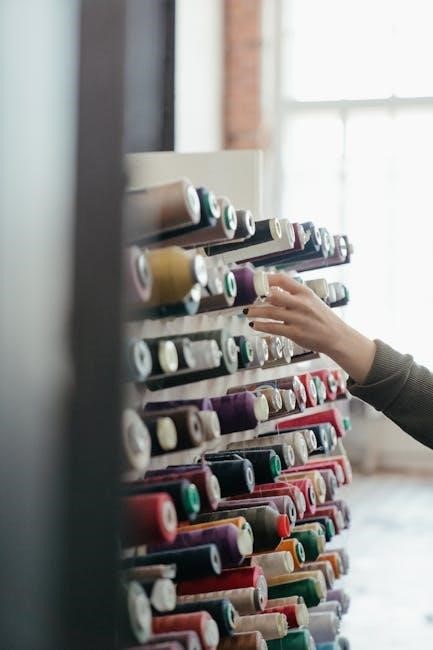
The process involves “auditioning” several spools against your fabric, unwinding the ends to accurately assess the color match. Consider lighting conditions, as colors can shift. For instance, white thread is often a poor universal choice, potentially clashing with many fabrics.
Furthermore, fabric weight influences thread selection. Heavier fabrics require stronger threads, while delicate materials demand finer, less conspicuous options. Ignoring this principle can lead to puckering or breakage. Careful matching demonstrates attention to detail and elevates the final product.
Common Types of Sewing Thread
Diverse thread types – cotton, polyester, silk, nylon, metallic, elastic, embroidery, quilting, and serger – each possess unique characteristics suited for specific fabrics and project demands.
Cotton Thread: Characteristics and Uses
Cotton thread, initially developed as a more affordable alternative to silk, remains a popular choice for various sewing applications. Its natural fibers offer a comfortable feel and excellent breathability, making it ideal for garments worn close to the skin, particularly those made from natural fabrics like cotton, linen, and rayon.
However, standard cotton thread lacks the strength and sheen of silk, prompting the development of mercerization – a treatment that enhances both qualities. Mercerized cotton thread provides a smoother, more lustrous finish and increased durability, closely mimicking the properties of silk.
Despite improvements, cotton thread generally exhibits less elasticity and strength compared to synthetic options like polyester. Therefore, it’s best suited for projects that don’t require significant stretch or heavy-duty stitching, such as lightweight clothing, quilting, and decorative sewing. It’s also a good choice for hand sewing due to its comfortable texture and ease of use.
Polyester Thread: The All-Purpose Option
Polyester thread has become the most commonly used type of sewing thread, earning its reputation as a versatile “all-purpose” option. Developed as a cost-effective alternative to both cotton and silk, it offers a compelling balance of strength, durability, and affordability. This makes it suitable for a remarkably wide range of projects and fabric types.
Unlike cotton, polyester possesses inherent elasticity, allowing it to withstand stress and movement without breaking easily. It’s also highly resistant to abrasion, sunlight, and mildew, ensuring long-lasting seams. This resilience makes it an excellent choice for garments that will undergo frequent washing and wear, as well as outdoor applications.
Polyester thread works well with both natural and synthetic fabrics, including cotton, polyester, blends, and even some heavier materials. Its consistent performance and availability in a vast array of colors further contribute to its widespread popularity among sewists of all skill levels.
Silk Thread: For Luxury and Delicate Fabrics
Silk thread embodies luxury and is traditionally favored for sewing garments crafted from delicate fabrics like silk, wool, and fine linens. Historically, it was the premier choice before the advent of more affordable alternatives like cotton and polyester. Even today, for a truly deluxe sewing experience, many prefer silk thread when working with high-end materials.
Its smooth texture and natural sheen create beautifully subtle seams that won’t detract from the fabric’s inherent elegance. Silk thread also possesses a unique softness and drape, contributing to the overall quality and feel of the finished garment. It’s particularly well-suited for hand sewing and intricate detailing.
However, silk thread is less strong and more susceptible to damage from sunlight and abrasion compared to polyester or nylon. Therefore, it’s best reserved for projects where durability isn’t the primary concern, and careful handling is assured.
Nylon Thread: Strength and Durability
Nylon thread stands out as a champion of strength and durability, making it an excellent choice for projects demanding high performance. Unlike more delicate options like silk, nylon boasts exceptional resistance to abrasion, stretching, and damage from sunlight. This makes it ideal for applications where the seams will endure significant stress or exposure to the elements.
Common uses for nylon thread include sewing outdoor gear, upholstery, leather goods, and heavy-duty canvas items. It’s also frequently employed in industrial sewing applications where reliability is paramount. While not as aesthetically refined as silk, nylon’s robust nature ensures long-lasting seams.
Consider nylon when constructing items needing exceptional resilience. However, be mindful that nylon can have a slight stretch, which might not be suitable for all fabric types or projects requiring precise shaping.
Specialty Sewing Threads
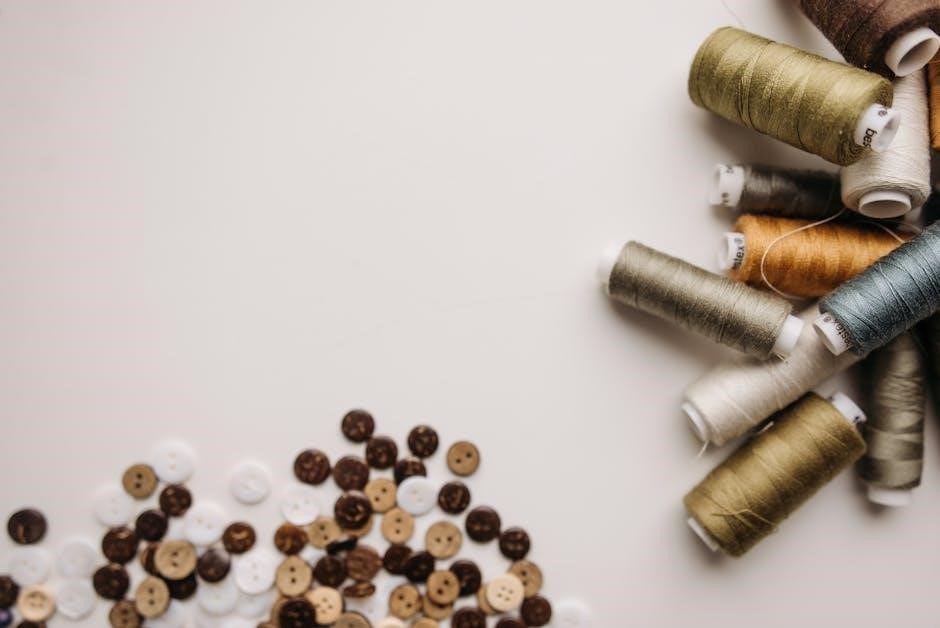
Specialty threads unlock unique effects, offering options like metallic sparkle, elastic stretch, decorative embroidery, robust quilting, and serger finishes for diverse projects.
Metallic Thread: Adding Sparkle and Shine
Metallic thread introduces a dazzling element to sewing projects, offering a touch of glamour and visual interest. However, it requires careful handling due to its delicate nature and potential for breakage. It’s best suited for decorative stitching, embellishments, or adding subtle highlights rather than structural seams.
When working with metallic thread, using a smaller needle size is crucial to prevent shredding. Reducing sewing machine speed and tension adjustments are also recommended to minimize breakage. It’s often advised to use a thread conditioner to lubricate the thread and improve its flow through the machine.
Consider hand-stitching with metallic thread for intricate details or when machine sewing proves challenging. While beautiful, metallic thread generally lacks the strength of cotton or polyester, so avoid using it in areas requiring high durability. It truly elevates a project’s aesthetic!
Elastic Thread: Stretch and Gather
Elastic thread is a specialized sewing thread designed to create gathers, shirring, or stretchy seams. It’s commonly used in garments like swimwear, lingerie, or children’s clothing where flexibility and comfort are essential. Unlike standard thread, elastic thread possesses a significant degree of elasticity, allowing fabric to stretch and recover its shape.
There are two primary types: fully elastic and partially elastic. Fully elastic thread provides maximum stretch, ideal for creating pronounced gathers. Partially elastic thread offers a more subtle stretch, suitable for delicate fabrics or when a softer gather is desired.
When using elastic thread, it’s crucial to adjust your sewing machine’s tension to accommodate its unique properties. Experimenting with stitch length and thread weight can also optimize the results. Remember to gently stretch the fabric while sewing to activate the elastic properties!
Embroidery Thread: Decorative Stitching
Embroidery thread elevates sewing projects beyond functionality, introducing artistic flair through decorative stitching. Available in a vast spectrum of colors and materials – including cotton, silk, polyester, and rayon – embroidery thread is specifically designed to withstand the demands of intricate designs and embellishments.
Unlike standard sewing thread, embroidery thread often features a higher sheen and a slightly thicker texture, enhancing the visual impact of stitches. It’s ideal for creating floral motifs, monograms, or geometric patterns on garments, home décor items, and accessories.
Different embroidery techniques, such as satin stitch, French knots, and chain stitch, require varying thread weights and fiber compositions. Selecting the appropriate thread ensures optimal stitch definition and durability.
Quilting Thread: Strength for Layered Fabrics
Quilting thread is engineered for the unique stresses imposed on layered fabric constructions. Quilts demand a thread capable of enduring repeated needle penetrations and extensive handling, requiring exceptional strength and durability. Both cotton and polyester are popular choices, each offering distinct advantages;
Cotton quilting thread provides a traditional aesthetic and softens with age, blending beautifully with cotton fabrics. Polyester quilting thread, conversely, boasts superior strength and resistance to abrasion, making it ideal for heavily used quilts or those incorporating diverse fabric types.
The weight of the quilting thread is also crucial; heavier weights create more visible quilting lines, while lighter weights offer a subtle effect. Proper thread selection ensures the quilt layers remain securely bonded for generations.
Serger Thread: For Overlock Machines
Serger thread, specifically designed for overlock machines, plays a vital role in creating professional-looking seams and preventing fabric fraying. These machines utilize multiple threads simultaneously to encase the raw edges of fabric, offering both functionality and a clean finish.
Polyester is the most commonly recommended serger thread due to its strength, elasticity, and resistance to breakage at high speeds. While cotton can be used, it’s less durable and may require more frequent thread changes. Using consistent thread types – all polyester or all cotton – is crucial for balanced stitch formation.
Serger thread comes in various weights; lighter weights are suitable for delicate fabrics, while heavier weights provide greater seam strength for heavier materials. Proper tension adjustment is essential for achieving a flawless serged edge.
Thread Weight and Size
Thread weight, indicated by numbers, dictates fabric compatibility; lower numbers mean finer threads for lightweight materials, while higher numbers signify thicker threads for heavier fabrics.
Selecting the correct weight ensures balanced stitches and prevents puckering or breakage, ultimately enhancing the project’s structural integrity and aesthetic appeal.
Understanding Thread Numbers and What They Mean
Decoding thread numbers can initially seem complex, but understanding the system is crucial for successful sewing. These numbers aren’t a direct measure of thickness, but rather a system established to indicate a thread’s weight and size relative to yardage. Historically, the system originated with cotton thread, where a higher number signified a finer thread – counterintuitively! This is because the number represented how many 80-yard lengths would weigh one pound.
Today, the system has evolved, and different numbering systems exist (Tex, Denier, and Ticket numbers). However, for most common sewing, you’ll encounter a number followed by a slash and another number (e.g., 40/2). The first number indicates the thread’s fineness, while the second denotes the number of plies (individual strands twisted together). A higher ply count generally results in a stronger, more durable thread.
Generally, a 50-weight thread is considered all-purpose, suitable for many fabrics. Lower numbers (like 30 or 40) are finer, ideal for lightweight fabrics and delicate work, while higher numbers (60, 70, or even higher) are thicker and best for heavier materials like upholstery or canvas.
Choosing the Right Thread Weight for Your Fabric
Selecting the appropriate thread weight is paramount to achieving professional-looking results and ensuring seam strength. A mismatch can lead to puckering, thread breakage, or a seam that simply won’t hold. Lightweight fabrics, like voile, chiffon, or silk, demand finer threads – typically in the 50-80 weight range – to avoid overpowering the material and causing distortion.
Medium-weight fabrics, such as cotton, linen, and lightweight denim, pair well with an all-purpose 50-weight thread. For heavier materials like upholstery, canvas, or thick denim, opt for a heavier thread in the 30-40 weight range to provide sufficient strength and durability.
Consider the project’s purpose; garments requiring frequent washing or stress on seams benefit from a stronger, heavier thread. Always test your chosen thread on a scrap of fabric before starting your project to confirm compatibility and prevent issues.
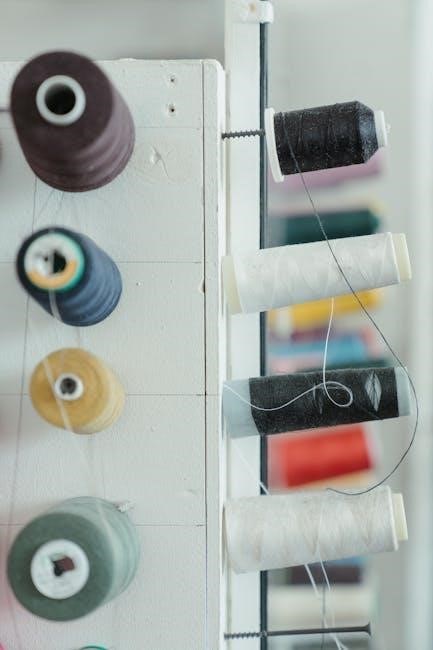
Thread Composition and Quality
Mercerized cotton thread boasts enhanced strength and sheen, mimicking silk, while thread brands vary significantly in quality and performance.
Selecting reputable brands ensures consistent color, strength, and minimal breakage, ultimately elevating your sewing projects’ final outcome.
Mercerized Cotton Thread: Enhanced Strength and Sheen
Mercerized cotton thread represents a significant advancement in cotton thread technology, originally developed to emulate the desirable qualities of silk. The mercerization process involves treating cotton fibers with a caustic soda solution, which alters their structure at a molecular level.
This treatment dramatically increases the thread’s strength, luster, and dye uptake. Consequently, mercerized cotton exhibits a beautiful sheen, resembling silk’s elegant appearance, and possesses superior tensile strength compared to standard cotton threads. It minimizes fraying and breakage during sewing.
Ideal for projects where a refined finish is paramount, mercerized cotton is frequently used in garments, heirloom sewing, and decorative stitching. While more expensive than standard cotton, its enhanced properties justify the cost for projects demanding durability and a luxurious aesthetic. It’s a versatile choice for both hand and machine sewing.
Thread Brands: A Comparison
Selecting a thread brand often comes down to personal preference and project requirements, as numerous reputable manufacturers exist. While a definitive “best” brand is subjective, certain names consistently appear in discussions among sewing enthusiasts.
Gutermann is widely regarded for its high quality and extensive color range, particularly its polyester and cotton threads. DMC, renowned for its embroidery floss, also offers excellent sewing threads. Coats & Clark provides a reliable, affordable option, especially for all-purpose polyester.
Superior Threads specializes in quilting threads, offering exceptional strength and colorfastness. Mettler is another premium brand known for its consistent quality and smooth sewing experience. Ultimately, experimenting with different brands allows you to discover which performs best with your fabrics and sewing machine.
Thread Storage and Care
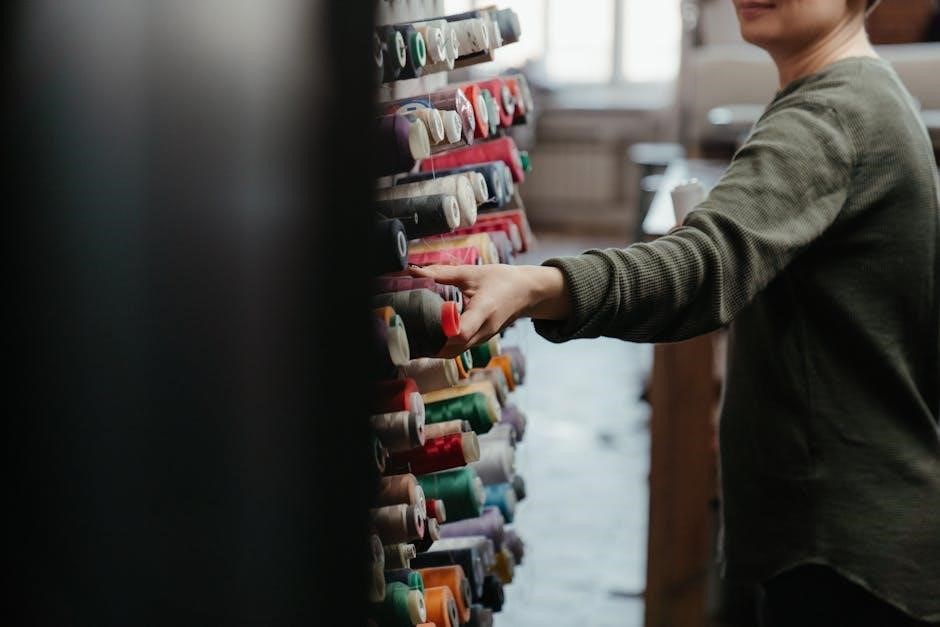
Proper thread storage prevents tangling and breakage, extending spool life. Keep threads in a cool, dry place, away from direct sunlight and dust for longevity.
Organized storage, like boxes or drawers, minimizes knots and ensures easy access to your desired color and type.
Preventing Thread Tangling and Breakage
Thread tangling and breakage are common frustrations for sewers, but preventative measures can significantly reduce these issues. Begin with proper storage; keeping spools in individual compartments or bags prevents threads from intertwining. When not in use, secure loose ends with thread clips or by tucking them under the spool flange.
During sewing, ensure your machine is correctly threaded, following the manufacturer’s instructions meticulously. Use a thread guide to maintain consistent tension and avoid snags. Regularly clean your machine, removing lint and dust that can contribute to thread problems. Avoid pulling or yanking the thread, as this weakens it and increases the likelihood of breakage.
Consider the thread quality; cheaper threads are more prone to tangling and breaking. Finally, using the correct needle size for your fabric and thread weight is crucial. A mismatched needle can cause friction and lead to thread damage. Consistent machine maintenance and careful sewing techniques are key to a smooth, tangle-free experience.
Extending the Life of Your Thread Spools
Maximizing the lifespan of your sewing thread spools saves money and reduces waste. Proper storage is paramount; protect thread from direct sunlight, humidity, and dust, as these elements degrade the fibers over time. Store spools in a cool, dry place, ideally within a closed container or drawer.
When using thread, avoid unnecessary unspooling. Only pull out the amount needed for your immediate sewing task. Secure the loose end after each use to prevent unraveling and tangling. Consider using a thread stand to allow the spool to unwind smoothly, minimizing friction and stress on the thread.
Furthermore, avoid mixing different thread types on a single spool. This can compromise the integrity of both threads. Regularly inspect your spools for damage or contamination, discarding any thread that appears compromised. Thoughtful handling and storage will ensure your thread remains in optimal condition for numerous projects.
Troubleshooting Thread Issues
Addressing thread problems like breakage or bunching requires patience. Tension adjustments and proper machine maintenance are key to smooth sewing and preventing frustrating disruptions.
Dealing with Thread Breakage
Frequent thread breakage is a common sewing frustration, often stemming from several easily addressable causes. First, ensure your machine is correctly threaded, following the manufacturer’s diagram meticulously – even a slight deviation can cause issues. Next, inspect your needle; a dull, bent, or incorrectly sized needle is a prime suspect. Replace it with a fresh one appropriate for your fabric weight.
Thread quality also plays a role; older or low-quality thread can be brittle and prone to snapping. Consider switching to a reputable brand. Tension imbalances can strain the thread, leading to breakage, so carefully adjust your machine’s tension settings. Finally, check for burrs or rough spots on your bobbin case or thread guides, as these can abrade the thread and cause it to break. Regular machine cleaning and maintenance are crucial preventative measures.
Addressing Thread Bunching and Tension Problems
Thread bunching, often accompanied by tension issues, signals a disruption in the delicate balance required for smooth stitching. The most frequent culprit is improper threading – re-thread both the top thread and bobbin, ensuring they are correctly seated in their respective tension discs. Incorrect tension settings are also a major cause; start by returning to the machine’s default settings and then make small adjustments, testing on a scrap fabric.
Bobbin issues, such as improper winding or a jammed bobbin case, can lead to bunching. Ensure the bobbin is wound evenly and fits snugly in its case. Fabric type and weight influence tension; heavier fabrics generally require higher tension. Finally, lint and debris buildup within the machine can interfere with tension, so regular cleaning is essential for consistent performance.
Choosing Thread Color
Thread color selection impacts project aesthetics; matching is typical, but contrast topstitching adds visual interest. Audition spools against your fabric to achieve desired effects.
Matching Thread to Fabric Color
Achieving a seamless look often hinges on carefully matching your sewing thread to the fabric color. This is particularly crucial for repairs or when you desire an invisible stitch line. However, perfect matches can be surprisingly difficult to achieve, as thread appears different when held against fabric compared to viewing it independently.
It’s recommended to always test the thread against the fabric in the lighting conditions where the finished project will be used. Natural light is ideal for accurate color assessment. Unwrap a length of thread and hold it against the fabric, observing how closely the shades align. Consider slightly darker shades for patterned fabrics, as they tend to blend better than lighter ones.
Don’t rely solely on thread color names; variations exist even within the same hue. When in doubt, choose a shade slightly darker than the fabric, as it will generally be less noticeable than a lighter thread. Remember, a well-matched thread enhances the overall quality and professional finish of your sewing project.
Using Contrast Thread for Decorative Effects
While matching thread is often preferred, deliberately using contrast thread can elevate a sewing project with striking visual interest. This technique is particularly effective for topstitching, where the thread color intentionally stands out against the fabric. Contrast stitching adds a bold, defined edge and highlights garment construction details.
Consider the color wheel when selecting contrast threads. Complementary colors (opposite each other) create a vibrant, eye-catching effect, while analogous colors (adjacent on the wheel) offer a more subtle, harmonious contrast. Experiment with different shades and tones to achieve the desired aesthetic.
Contrast thread isn’t limited to topstitching; it can also be used for decorative embroidery, quilting, or even visible mending. Don’t be afraid to explore creative applications and personalize your projects with unique thread choices. A thoughtful contrast can transform a simple design into a statement piece.